
Teambuilding Principles Program
Develop practical skills for creating cohesive teams through structured analysis of collaboration dynamics, communication patterns, and trust-building methods that work in real organizational settings.
What This Program Covers
Our curriculum addresses the specific challenges organizations face when building effective teams. Each module provides concrete frameworks you can apply immediately to improve team performance and collaboration.
Communication Structures
Learn how information flows within teams and identify bottlenecks that prevent effective coordination. Study methods for establishing clear channels and reducing miscommunication.
Role Definition
Examine how unclear responsibilities create conflict and redundancy. Develop frameworks for defining roles that leverage individual strengths while maintaining team cohesion.
Conflict Resolution
Understand the root causes of team disagreements and learn systematic approaches to address them. Study techniques that preserve relationships while resolving substantive issues.
Trust Building
Analyze the components of team trust and the specific behaviors that either strengthen or undermine it. Practice methods for creating psychological safety in group settings.
Performance Metrics
Explore ways to measure team effectiveness beyond simple output numbers. Learn to assess collaboration quality, decision-making speed, and knowledge sharing across team boundaries.
Facilitation Skills
Develop techniques for running productive team meetings and workshops. Study methods for drawing out contributions from quieter members while managing dominant voices effectively.
Program Structure
The curriculum builds progressively through eight weeks of focused study. Each session combines theoretical frameworks with practical exercises drawn from real organizational scenarios.
- Week 1-2: Foundations of team dynamics and group psychology
- Week 3-4: Communication patterns and information architecture
- Week 5-6: Conflict analysis and resolution frameworks
- Week 7-8: Leadership approaches and sustainable team cultures
Participants work through case studies based on actual team challenges, applying different analytical models to understand what drives successful collaboration versus dysfunction.

Participant Experiences
Professionals who completed the program share their observations about how the content affected their approach to team management.
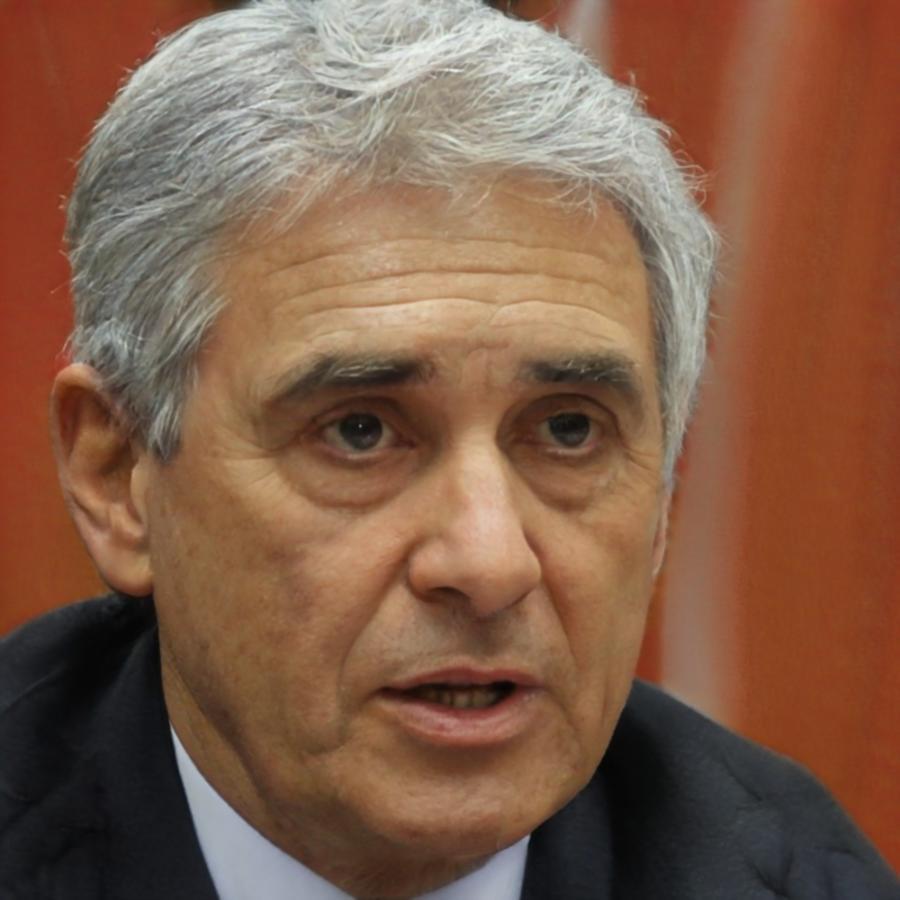
The frameworks for identifying communication breakdowns helped me understand why certain projects kept stalling. I now have specific tools for diagnosing team issues rather than guessing at solutions.
Kasper Holmgren
Operations Manager, Halifax
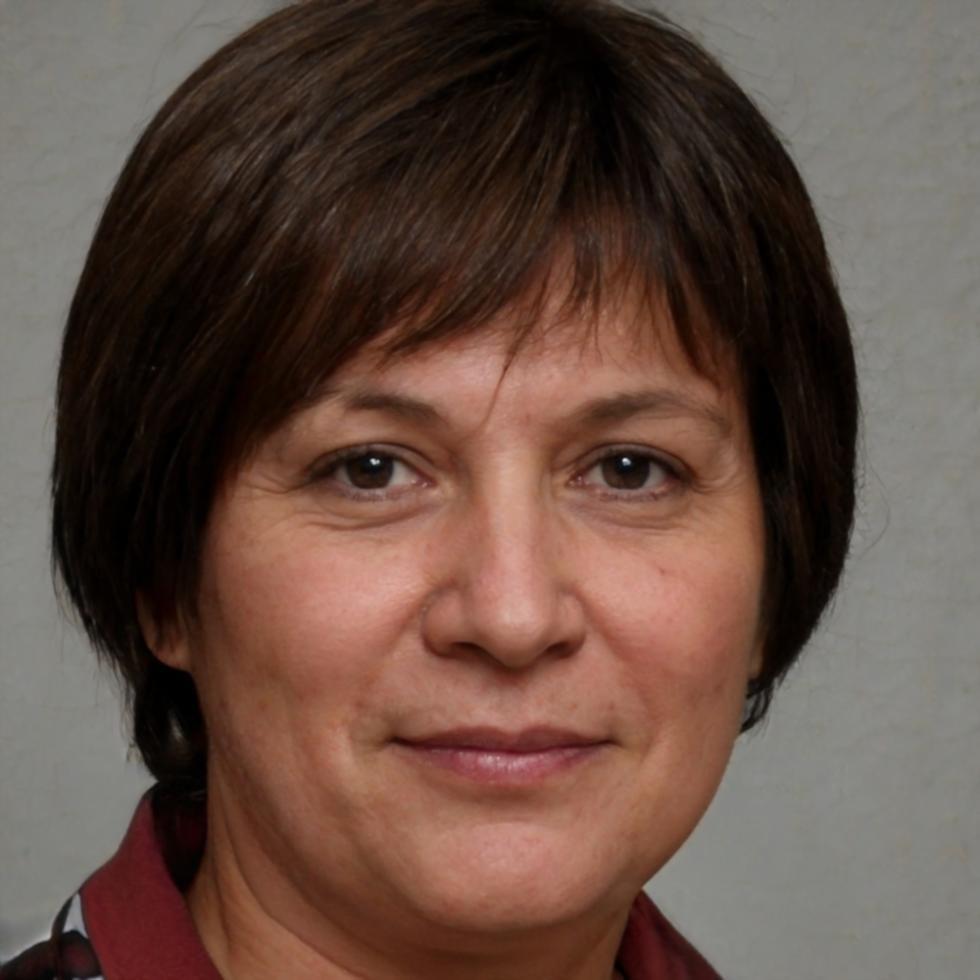
The case studies presented realistic scenarios without offering easy answers. This forced us to think through the actual complexity of team dynamics rather than memorizing formulas that sound good but don't work.
Freya Lindström
HR Director, St. John's
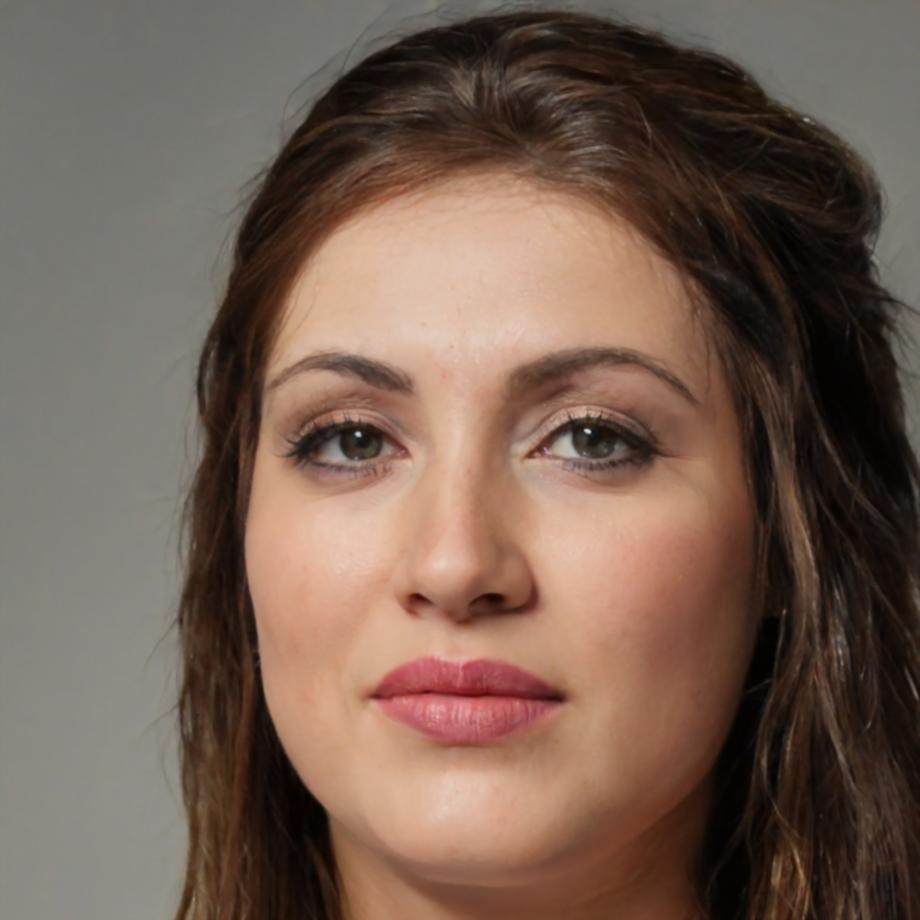
What stood out was the focus on measurement. Instead of vague talk about improving culture, we learned specific indicators to track whether teams are actually becoming more effective at collaboration.
Signe Vestergaard
Project Lead, Corner Brook
Start Your Analysis
The next cohort begins enrollment shortly. Sessions accommodate working professionals with evening schedules and include access to recorded materials for review. Contact our office to discuss whether this program fits your professional development goals.